Volunteer storiesHELP Environment
“Don’t be scared. Just go for it”
Julie joined HELP Environment knowing little Spanish and packing far too much. She tells us how she found OCN, what her weeks looked like and why she’d do it all again.
Why did you choose this programme?
When I decided to go volunteering abroad, I didn’t have a country in mind; I just wanted to take part in a project related to the environment. So I started browsing the internet for NGOs I could join, and I stumbled on a website listing South American organisations.
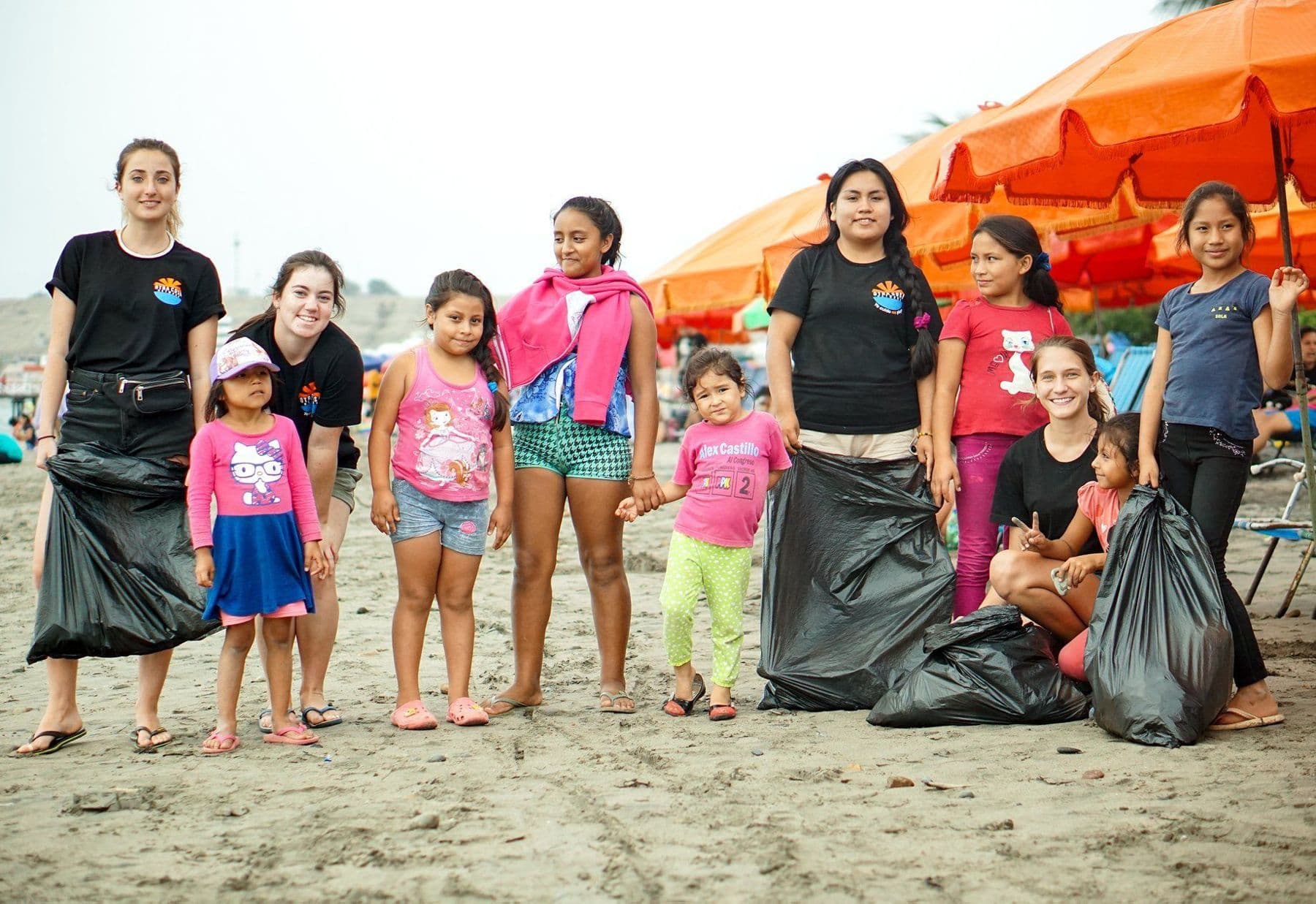
As soon as I read about Otra Cosa, I knew I wanted to go there, and my email exchanges with the staff confirmed it. It’s a very well-organised NGO with some really interesting projects, and the staff and volunteers make a great team to work and live with.
“As soon as I read about Otra Cosa, I knew I wanted to go there.”
What did OCN help you with, and what did you organise on your own?
Otra Cosa helps volunteers find good accommodation depending on their personal preferences, and the volunteer coordinator even came to pick me up when I arrived at the local airport in Trujillo. We went on a tour of the town so I could get used to the area, and the staff are really available if you need any help.
Volunteers book their own flights but, as I said, if you need advice on bus companies or safety, for example, someone will always be there to answer you.
What’s one piece of advice you’d give to someone joining your programme?
The first thing I think about when someone asks me “What would you do differently?” is my suitcase. I packed way too many things and ended up not using half of them. Plus, it would have been much easier to travel around with a smaller bag. But it was my first time travelling this far and for this kind of programme, so now I know better and can tell others about it!
What does an average day or week look like?
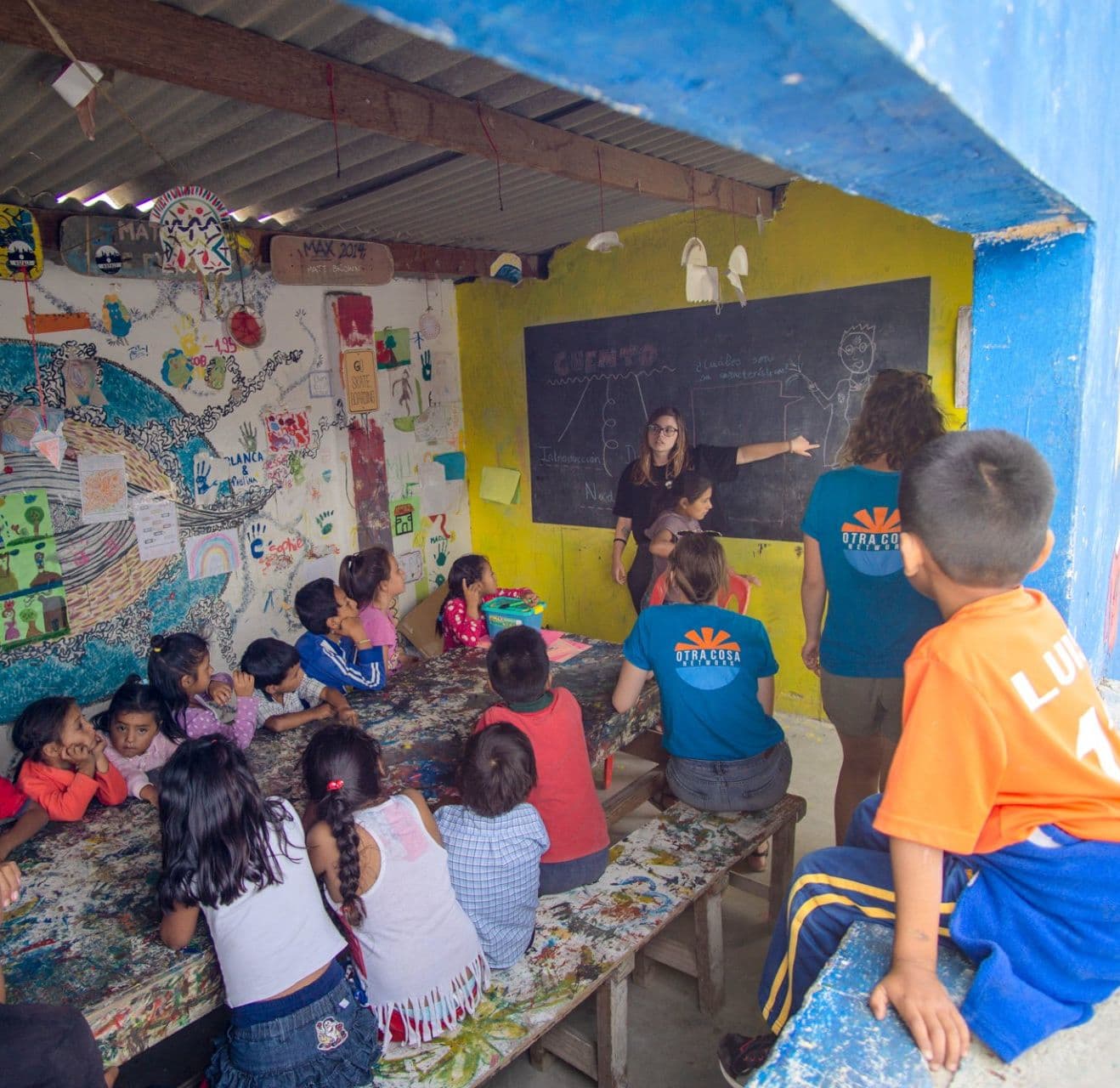
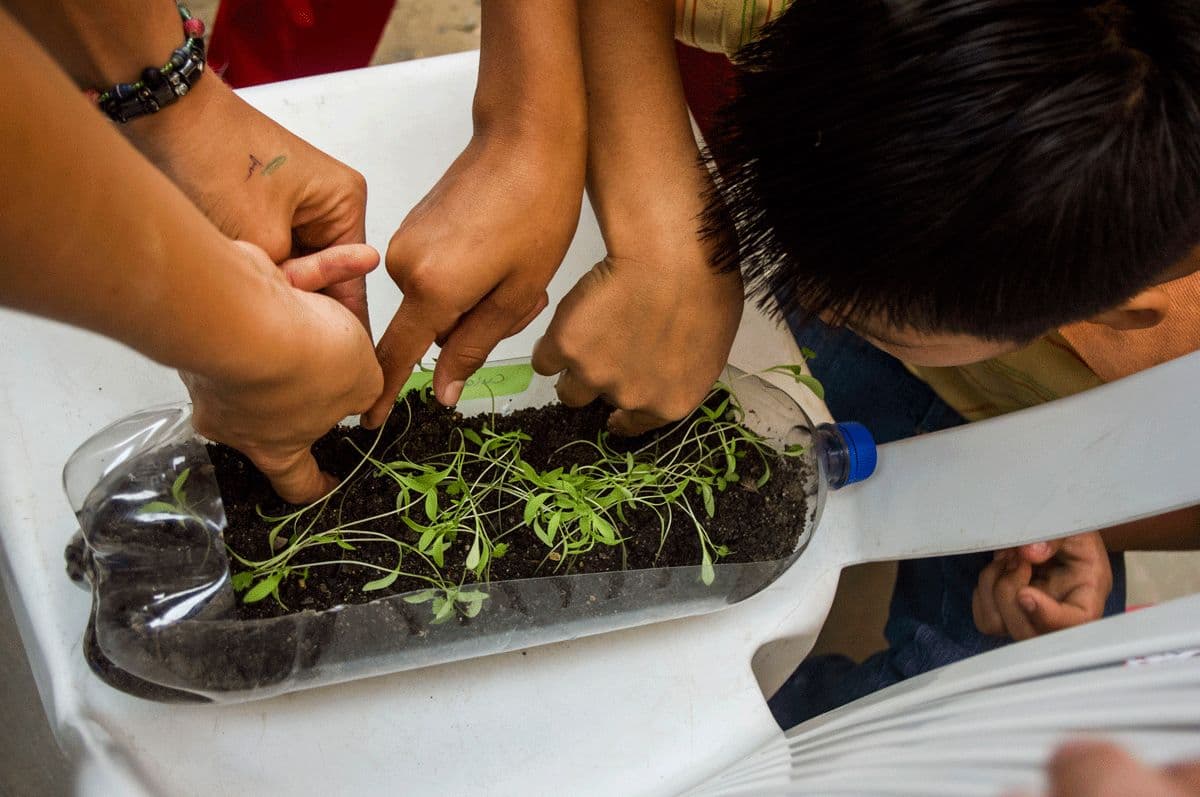
Volunteers at Otra Cosa are asked to work around 20 hours a week, but there’s no fixed schedule because it depends on the projects. Some days you’ll have a few workshops planned, other days you’ll be preparing events, so you work to your own schedule.
It really is variable, which means you can often arrange things so you can join other projects, like I did: teaching English in school or helping with the after-school programme, for example. You can also fit in surf lessons or go to the market. As long as your work is done and you put in the hours, there’s quite a lot of freedom!
“As long as your work is done and you put in the hours, there’s quite a lot of freedom.”
What was your biggest fear before you went, and how did you overcome it?
I was a bit scared because Peru isn’t famous for being super safe, and my Spanish was far from good when I arrived. But in the end I never once felt threatened, and everyone was helpful despite the language barrier.
So don’t be scared. I’m not saying be foolish, far from it, but being terrified will make your experience much less enjoyable. Just go for it; you won’t regret it! And if you really struggle with the language, you can always take classes once you’re there, and it’s easy to find another traveller or someone who speaks English to help you.